

 English
 русский
 Español
 عربى

Home / News / Industry News / Which Factors Should Buyers Consider When Sourcing T-Shaped Push Knives?
Which Factors Should Buyers Consider When Sourcing T-Shaped Push Knives?
2026-10-23
Selecting a professional cutting tool requires a clear understanding of the work it needs to perform. In warehouses, packaging operations, workshops, and material-processing environments, differences in material thickness, cutting direction, and usage frequency can affect which tool configuration is appropriate. For distributors and industrial buyers, choosing a product based on appearance or unit price alone may leave important application requirements unresolved. A structured evaluation helps manufacturers and buyers agree on the right specifications before samples are approved and bulk orders begin.
Define the Cutting Application First
The intended material should be the starting point for product selection. Cutting packaging materials may involve different requirements from trimming flexible sheets, removing excess material, or performing controlled cuts during installation work.
Before requesting a quotation, buyers should clarify the materials involved, the typical cutting direction, and how frequently the tool will be used. These details help determine whether a particular blade configuration and handle arrangement are suitable.
A manufacturer can use this information to recommend an appropriate product specification rather than treating every cutting task as interchangeable. Clear application details also make sample evaluation more meaningful because the tool can be assessed under realistic working conditions.
Compare Tool Dimensions and Working Clearance
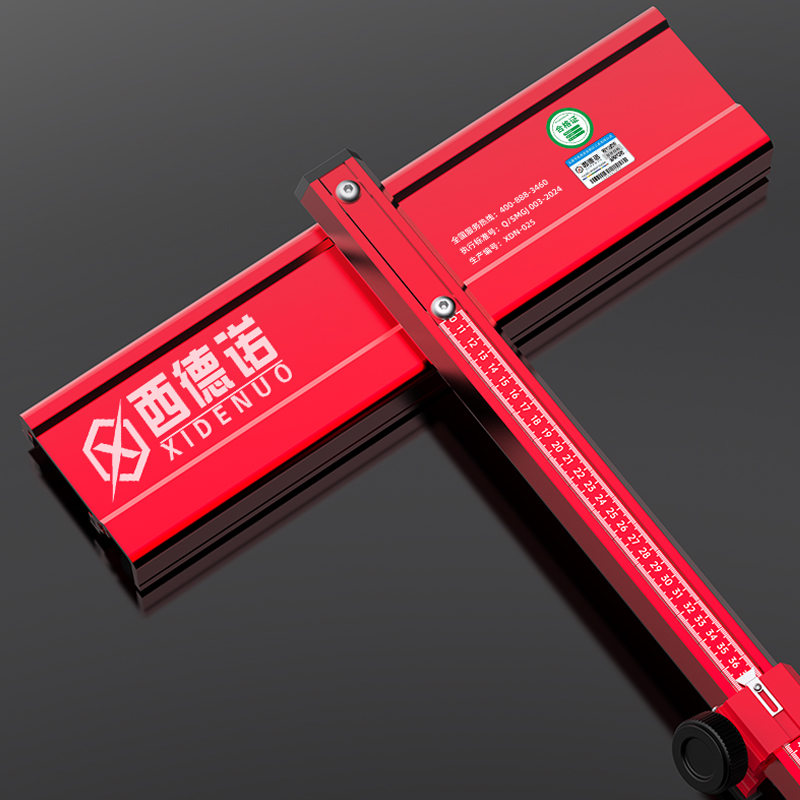
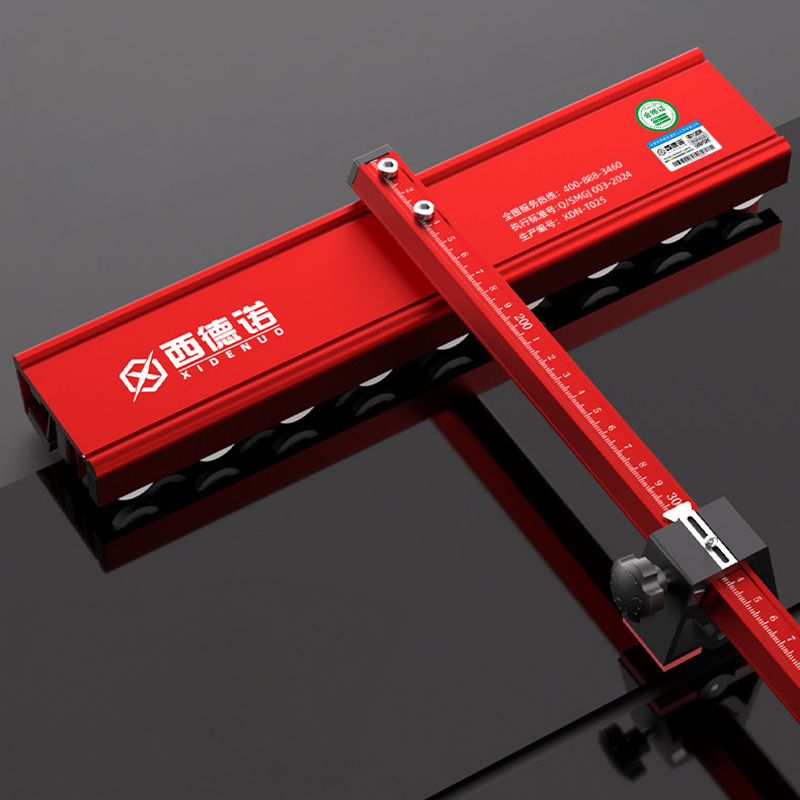
A T-shaped design can provide a crosswise grip, but the tool’s overall dimensions still influence access and control. A wider handle may offer useful leverage in some applications, while a more compact design may be easier to store or use in restricted spaces.
Buyers should consider handle width, tool length, blade projection, and the clearance available around the cutting area. The blade must remain compatible with the intended task, and the tool should allow the operator to maintain a controlled working position.
For manufacturers, these dimensional relationships need to be reviewed together. Adjusting one part of the design may affect handling, packaging, or compatibility with existing components.
Evaluate Durability Through Construction Details
A tool’s working life depends on more than the blade material. The holder, connecting points, handle structure, and surface finish also influence how the product withstands repeated use.
When evaluating samples, buyers can inspect the alignment of assembled parts, the fit of the blade holder, and the consistency of the finish. Any movement between components should be assessed against the product’s design requirements rather than accepted without review.
Manufacturers should define material specifications and assembly tolerances that can be maintained during production. This provides a more reliable basis for repeat orders than relying on a single visually acceptable sample.
Check Safety and Handling Requirements
Cutting tools need to support controlled operation and safe storage. Buyers should review blade retention, protective covers where applicable, packaging arrangements, and instructions for use.
A suitable product should clearly identify its intended application and compatible replacement components. Users also need instructions explaining safe blade handling, inspection, and storage. These details are particularly important when tools are supplied to commercial customers with established workplace procedures.
Manufacturers should ensure that safety-related product information matches the actual design and verified specifications.
Plan Specifications for Wholesale Orders
Bulk purchasing introduces requirements that may not be obvious during sample selection. Distributors need to know whether the same configuration can be maintained across production batches and whether different versions can be identified accurately.
Before confirming an order, buyers should document:
- Blade type and compatible replacement specifications
- Handle dimensions and material requirements
- Surface finish and product color
- Individual packaging and carton arrangements
- Labeling, branding, and order identification requirements
A written specification reduces ambiguity between purchasing, production, and inspection teams. It also provides a reference when reviewing future deliveries.
Consider Customization Without Adding Complexity
Some buyers need private-label packaging, specific colors, or adjustments for a defined customer group. Customization can be useful, but every variation adds details that must be controlled during production.
Manufacturers should assess whether a requested change affects tooling, component compatibility, assembly procedures, or packaging dimensions. Confirming these points before sample approval helps buyers understand the practical implications of customization and avoid unnecessary revisions.
Make the Final Decision Application-Based
A suitable cutting tool should match the intended material, working environment, handling requirements, and purchasing plan. For buyers comparing T-Shaped Push Knife products, the most useful evaluation combines practical sample testing with a clear review of specifications, construction, safety information, and production consistency. By confirming these details early, overseas procurement teams can make more informed sourcing decisions and establish a clearer foundation for repeat orders.
Contact Us
-
xidenuo@163.com
-
+86-15058539713
-
No. 34-3, Lieqiao Small and Micro Industrial Park, Xicheng Industrial Zone, Xiche City, Jinhua City, Zhejiang Province
-
Quick Links
Home About Product Service News Contact -
Product Categories
T-Shaped Push Knife Manual Tile Cutter Manual Suction Cup Electric Suction Cup Tile Divider Breaking Plier Rail Tile Push Cutter Tile Chamfering Machine Tile Cutter Knife Tip Circular Compass Knife Tile Beater Glass Tile Opener Glass Knife
Copyright © Yongkang Xidenuo Diamond Tools Co., Ltd.

Message Us Now !
Copyright © Yongkang Xidenuo Diamond Tools Co., Ltd.