

 English
 русский
 Español
 عربى

Home / News / Industry News / When Does Better Specification Control Improve T-Shaped Push Knife Orders?
When Does Better Specification Control Improve T-Shaped Push Knife Orders?
2026-10-30
For distributors and industrial buyers, sourcing a cutting tool is not only about finding a suitable product. The selected design must also remain consistent when an order includes multiple batches, packaging variations, or customer-specific requirements. Small differences in blade configuration, handle dimensions, surface finish, or included accessories can create confusion during receiving and inventory management. Manufacturers can reduce these risks by establishing clear product specifications and connecting them with sampling, production, inspection, and shipment procedures.
Turn Product Requirements Into Clear Specifications
A purchase request may describe a tool as suitable for packaging or general cutting, but broad descriptions rarely provide enough information for production. Manufacturers need to understand the required dimensions, blade type, handle material, intended application, and packaging arrangement before confirming the final configuration.
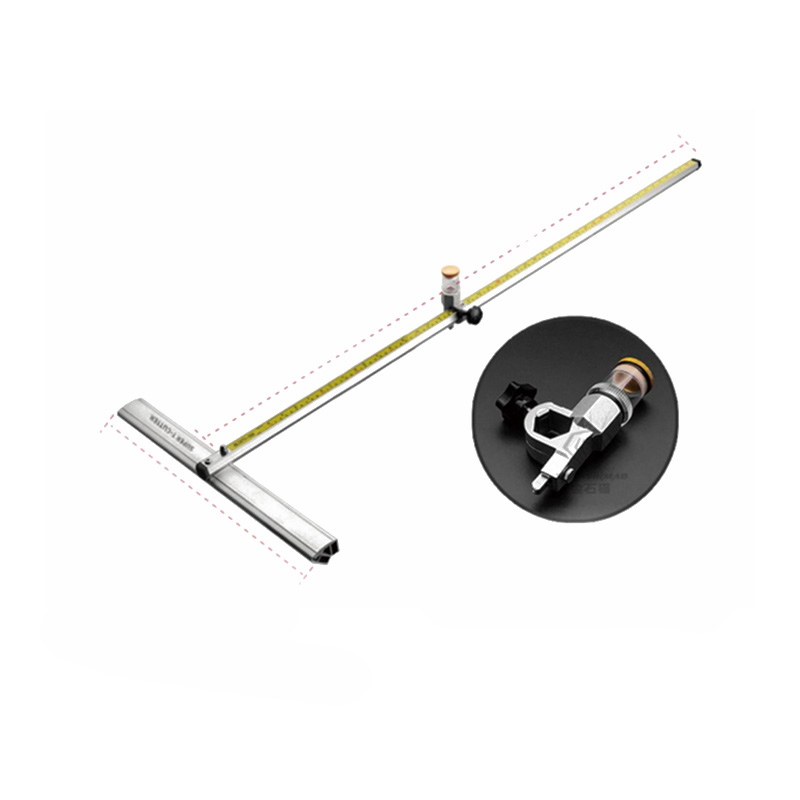
For a T-Shaped Push Knife, a structured specification can include the following details:
- Overall dimensions and handle design
- Blade type and compatible replacement options
- Main materials and surface finish
- Product color and branding requirements
- Individual packaging and bulk-carton details
Documenting these points helps purchasing and production teams work from the same reference. It also gives buyers a practical checklist for reviewing samples before approving a larger order.
Keep Similar Product Versions Distinguishable
Buyers may source several tool variations for different customers or applications. Although these models can look similar, differences in dimensions, blade compatibility, or packaging may affect how they are used and stored.
Manufacturers should assign clear model identifiers and maintain corresponding product specifications. Labels, packaging information, and internal production records should match the approved version. This makes it easier to distinguish products during assembly, final inspection, warehouse storage, and repeat purchasing.
For distributors managing a broad product range, consistent identification can reduce the chance of ordering or supplying the wrong variation.
Control Changes Before Production Begins
Changes sometimes occur after a sample has been reviewed. A buyer may request a different handle color, revised packaging, or an adjustment to a product dimension. Even a seemingly small change can affect material preparation, component compatibility, or assembly arrangements.
A defined change-confirmation process helps prevent outdated specifications from remaining in production. Before implementing a revision, manufacturers should assess its effect on the finished tool and confirm the updated requirements with the buyer.
Approved samples, drawings, and specification records should then be updated where necessary. This creates a clearer link between the product the buyer accepted and the product manufactured for shipment.
Connect Inspection With the Approved Design
Quality inspection is more useful when acceptance criteria are established before production. Visual appearance alone may not reveal differences in component fit, blade retention, or dimensions.
Manufacturers can create inspection points based on the product design, including:
- Checking dimensions against the approved specification
- Inspecting the handle and blade-holder assembly
- Reviewing surface finish and visible defects
- Confirming the specified accessories and packaging
- Verifying product identification and labeling
The inspection method should reflect the characteristics that matter to the intended application. Recording results also helps production teams investigate recurring issues and improve process consistency.
Coordinate Packaging With Product Identification
Packaging needs to protect the tool while keeping each product version easy to recognize. If several variations share similar cartons, unclear labels can complicate warehouse receiving and order fulfillment.
Manufacturers should confirm carton markings, product codes, quantities, and branding artwork before packing begins. For private-label orders, packaging approval should be treated as part of the product approval process rather than a separate last-minute task.
Consistent packing instructions can also help maintain the same arrangement across repeat shipments.
Make Repeat Orders Easier to Manage
A successful first shipment should provide a reliable reference for future purchases. Maintaining the approved configuration, component information, and packaging details helps reduce the need to clarify the same requirements for every reorder.
Manufacturers should retain accessible records of confirmed specifications and authorized revisions. Buyers can support this process by using consistent model references and clearly identifying any requested changes when placing subsequent orders.
Build Confidence Through Manufacturing Consistency
For overseas buyers, dependable sourcing depends on clear communication as well as product performance. When specifications, version identification, inspection criteria, and packaging records are managed together, a T-Shaped Push Knife order becomes easier to review and reproduce. This disciplined approach helps manufacturers control production variations and gives distributors a clearer basis for managing inventory, evaluating deliveries, and planning future orders.
Contact Us
-
xidenuo@163.com
-
+86-15058539713
-
No. 34-3, Lieqiao Small and Micro Industrial Park, Xicheng Industrial Zone, Xiche City, Jinhua City, Zhejiang Province
-
Quick Links
Home About Product Service News Contact -
Product Categories
T-Shaped Push Knife Manual Tile Cutter Manual Suction Cup Electric Suction Cup Tile Divider Breaking Plier Rail Tile Push Cutter Tile Chamfering Machine Tile Cutter Knife Tip Circular Compass Knife Tile Beater Glass Tile Opener Glass Knife
Copyright © Yongkang Xidenuo Diamond Tools Co., Ltd.

Message Us Now !
Copyright © Yongkang Xidenuo Diamond Tools Co., Ltd.