

 English
 русский
 Español
 عربى

Home / News / Industry News / How Can Better Handle Design Improve Cutting Control and Workplace Safety?
How Can Better Handle Design Improve Cutting Control and Workplace Safety?
2026-10-16
In packaging, flooring installation, warehouse operations, and general material handling, cutting tools need to deliver controlled performance without slowing down routine work. Buyers evaluating hand tools for professional use often consider more than blade sharpness. Handle comfort, cutting stability, blade replacement, and storage arrangements can all influence how efficiently a tool performs across repeated tasks. For manufacturers, addressing these practical requirements during product development helps create tools that meet workplace needs while supporting consistent production and dependable supply.

Design the Handle Around Natural Hand Movement
The handle affects how users position their hands, apply pressure, and guide a blade through a material. A poorly balanced tool may feel awkward during repeated cuts, especially when workers need to maintain a consistent cutting direction.
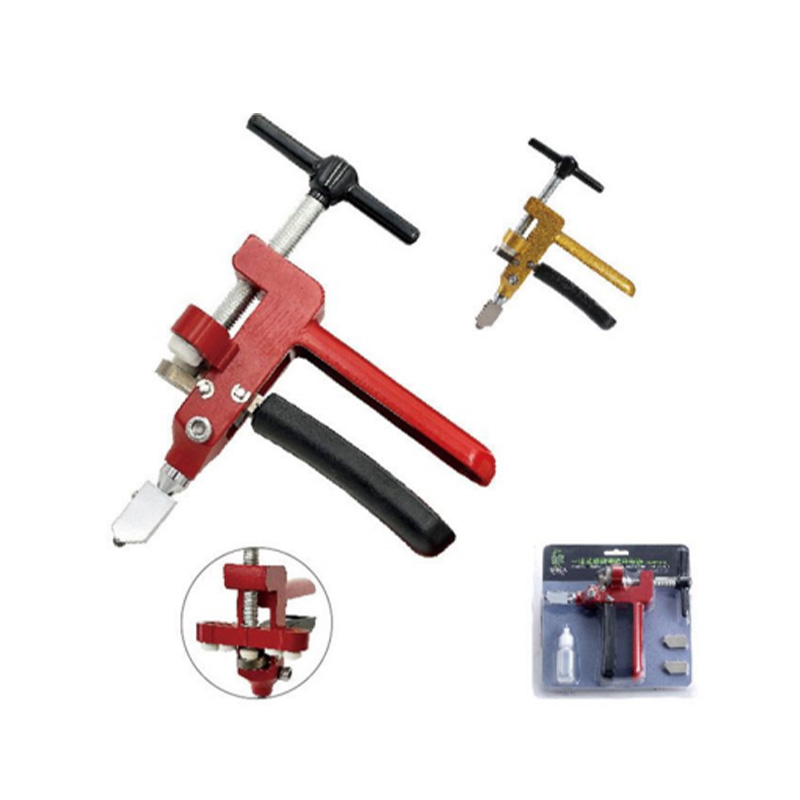
A T-shaped handle provides a crosswise grip that can offer useful leverage in suitable cutting applications. However, the overall dimensions, surface texture, and connection between the handle and blade assembly still require careful evaluation. Manufacturers should consider the intended users, common cutting motions, and expected working duration when selecting the handle configuration.
Grip materials also matter. Textured plastic or other suitable surfaces may help users maintain control, while the handle shape should avoid unnecessary pressure points. The right design depends on the material being cut and the way the tool is expected to be used.
Match the Blade to the Intended Material
A cutting tool cannot perform consistently if its blade is poorly matched to the task. Packaging film, cardboard, adhesive materials, and thicker sheet products may require different blade geometries or cutting approaches. Buyers should therefore confirm the intended application before selecting a model.
When developing a T-Shaped Push Knife, manufacturers need to assess blade material, edge geometry, thickness, and compatibility with the tool structure. These factors influence cutting behavior, wear, and the stability of the blade during use.
A practical product specification should identify the compatible blade type and explain the intended cutting applications. Clear information helps distributors select suitable models and reduces the risk of users applying a tool beyond its intended purpose.
Keep Blade Installation and Replacement Straightforward
Blade replacement is an important consideration for professional buyers who need tools to remain available during routine operations. A complicated replacement process can interrupt work, while an unclear locking arrangement may create additional safety concerns.
Manufacturers should evaluate how securely the blade sits in its holder and whether the replacement procedure can be explained clearly. Where replaceable blades are used, the design should help prevent unintended movement during normal operation. Instructions should identify the correct replacement type and describe safe handling procedures.
For procurement teams, it is also useful to confirm whether compatible replacement blades can be ordered separately and how they are identified. This supports inventory planning and makes repeat purchasing easier to manage.
Consider Materials and Surface Finishing
Handle materials, blade steel, connecting components, and surface finishes contribute to the tool’s overall performance. Selection should reflect the intended working environment, expected usage frequency, and maintenance requirements.
Manufacturers should review whether the handle material can withstand routine handling and whether the blade holder maintains its intended fit during repeated use. Surface finishing should also be consistent, with particular attention to edges, joints, and areas that users frequently touch.
These details may appear small in a product sample, but they become important when buyers evaluate multiple units from a bulk order. Material specifications and clear acceptance criteria help establish a more repeatable manufacturing process.
Build Quality Checks Into Production
Consistent cutting tools require inspection beyond a visual check of the finished product. Manufacturing quality control should address the components and functions that affect safe, reliable use.
Depending on the product design, inspection points may include:
- Blade fit and retention
- Handle-to-holder connection
- Surface finish and visible defects
- Compatibility with specified replacement blades
- Packaging condition and included accessories
Functional checks should follow defined procedures appropriate to the tool. Recording results and identifying recurring defects can help production teams improve assembly consistency before products are packed for shipment.
Make Packaging Suitable for Distribution
Cutting tools require packaging that protects the product while keeping sharp components appropriately contained. Packaging design should account for blade exposure, movement inside the package, product labeling, and the needs of warehouse staff.
For wholesale orders, individual packaging and bulk-carton arrangements should be reviewed together. Clear model identification can help prevent confusion between similar tools or blade configurations. Manufacturers should also confirm that product descriptions and handling instructions match the approved specification.
Turn Practical Design Into Purchasing Value
For overseas distributors and industrial buyers, a suitable cutting tool combines task-specific blade performance, comfortable handling, secure assembly, and manageable replacement requirements. When comparing T-Shaped Push Knife options, buyers should assess the complete tool rather than focusing on one feature alone. Manufacturers that connect product design with material control, functional inspection, and consistent packaging can give procurement teams a clearer basis for evaluating samples and planning repeat orders.


Contact Us
-
xidenuo@163.com
-
+86-15058539713
-
No. 34-3, Lieqiao Small and Micro Industrial Park, Xicheng Industrial Zone, Xiche City, Jinhua City, Zhejiang Province
-
Quick Links
Home About Product Service News Contact -
Product Categories
T-Shaped Push Knife Manual Tile Cutter Manual Suction Cup Electric Suction Cup Tile Divider Breaking Plier Rail Tile Push Cutter Tile Chamfering Machine Tile Cutter Knife Tip Circular Compass Knife Tile Beater Glass Tile Opener Glass Knife
Copyright © Yongkang Xidenuo Diamond Tools Co., Ltd.

Message Us Now !
Copyright © Yongkang Xidenuo Diamond Tools Co., Ltd.