

 English
 русский
 Español
 عربى

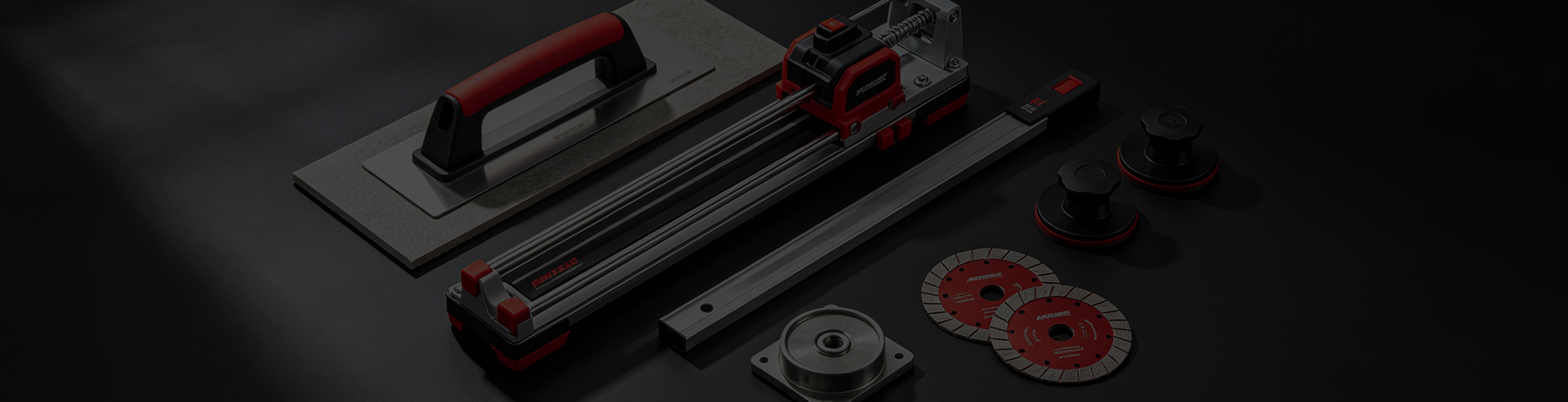
Better Tile Breaking Starts With the Right Tool and Technique
2026-11-06
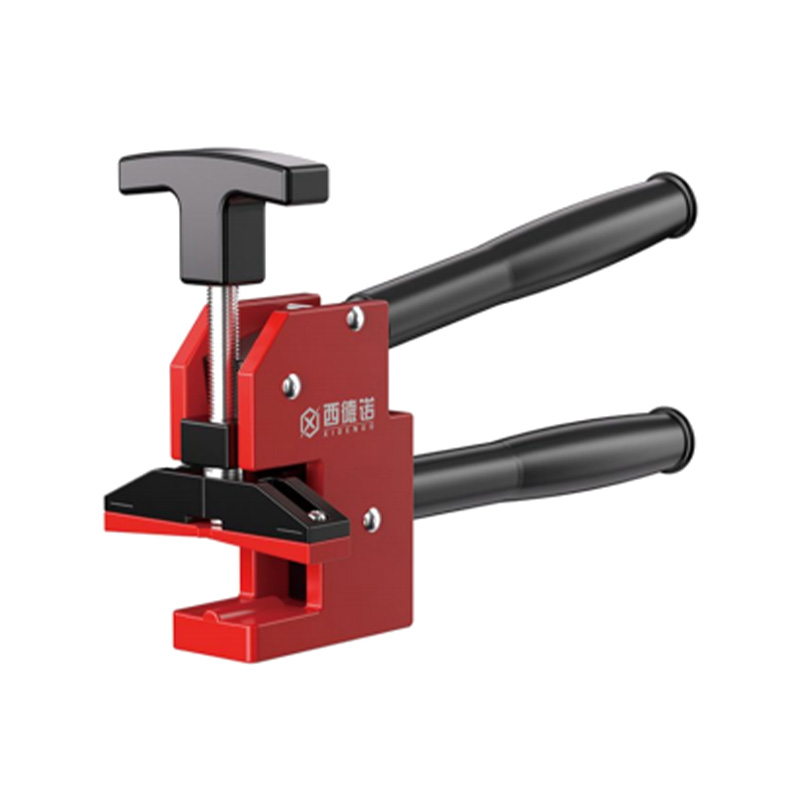
Tile installation requires more than accurate cutting. After a tile has been scored, the breaking process determines whether the material separates along the intended line or develops an unwanted crack. For professional installers, contractors, and tile tool distributors, choosing a suitable Tile Divider Breaking Plier can help improve control during this stage of work. As tile formats, surface finishes, and material compositions vary across projects, buyers are paying closer attention to tool compatibility, jaw design, handling comfort, and consistent breaking performance.
Understand the Tile Before Choosing the Pliers
Not all tiles respond to breaking in the same way. Ceramic tiles, porcelain tiles, and other tile materials can differ in thickness, hardness, and internal structure. Large-format products may also require a different handling approach from smaller standard tiles.
Before selecting a tile breaking tool, installers should consider the materials commonly used in their projects. They should also check the maximum tile thickness and the recommended application range of the tool. A model designed for ordinary ceramic tiles may not be suitable for every dense or thick porcelain product.
For distributors, understanding these differences helps prevent customers from purchasing tools based only on appearance or general product descriptions.
Jaw Design Affects Breaking Control
The jaw structure is an important factor in a Tile Divider Breaking Plier. Its contact area, shape, and alignment influence how pressure is applied to the tile after scoring.
If the jaws do not fit the intended tile thickness or cannot maintain stable contact, the installer may find it difficult to control the breaking process. A suitable design should allow the user to position the tool accurately and apply pressure in a controlled manner.
Manufacturers should pay attention to jaw alignment, contact surface quality, and the relationship between the jaw opening and the intended tile application. These details can make a practical difference during repeated installation work.
Accurate Scoring Should Come Before Breaking
A breaking plier cannot compensate for an inaccurate scoring line. The tile surface needs to be scored with a suitable cutter before the installer applies breaking pressure.
A useful working sequence includes:
- Positioning the tile securely on a stable surface
- Checking the required cutting dimensions
- Making a continuous scoring line with the appropriate cutter
- Aligning the breaking tool with the scored position
- Applying controlled pressure rather than forcing the handles suddenly
- Checking the separated edge before proceeding with installation
The exact technique depends on the tile material and the tool design. Following the tool manufacturer's instructions can help users avoid unnecessary pressure and handling mistakes.
Handle Comfort Matters During Repeated Work
Tile installation often involves repeated cutting and adjustment throughout the working day. Handle shape, grip material, opening range, and overall tool balance can influence how comfortably an installer operates the pliers.
For professional users, a handle that provides a secure grip can make positioning and pressure control easier. Buyers should also consider whether the tool is convenient to carry alongside tile cutters, measuring tools, and other installation accessories.
From a manufacturing perspective, handle construction should be evaluated together with the jaw mechanism. A comfortable grip is useful, but it must also support stable operation during the intended application.
Reduce Material Waste Through Better Tool Matching
Unwanted tile breakage can lead to additional cutting, replacement material, and delays in installation. While tool selection alone cannot eliminate these problems, using a breaking plier suited to the tile and scoring method can help installers work with greater control.
This is particularly relevant for projects involving patterned layouts, edge adjustments, or tiles that require several individual cuts. Contractors should assess the tool using the materials and cutting situations they encounter regularly rather than relying on a single general-purpose specification.
Distributors can also help customers by explaining the suitable application range of each model.
Manufacturing Quality Supports Consistent Operation
For tool manufacturers, product evaluation should cover more than the appearance of the finished pliers. Jaw alignment, pivot movement, handle attachment, surface finishing, and overall assembly quality all deserve attention.
Consistent manufacturing and inspection procedures help ensure that tools from different production batches follow the intended design. Buyers sourcing in bulk may also want to discuss material options, packaging, product identification, and sample approval before confirming an order.
These details are relevant to distributors who need dependable product specifications across repeat purchases.
Select a Tile Breaking Tool for Real Jobsite Needs
A suitable Tile Divider Breaking Plier should match the tile materials, thickness range, scoring method, and working frequency of its intended users. As a manufacturer, we recommend evaluating jaw structure, handle design, assembly quality, and practical application together rather than choosing a tool based on price or appearance alone. For overseas importers, wholesalers, and professional tile installation suppliers, discussing these requirements with a Tile Divider Breaking Plier manufacturer can support more informed product selection and help build a tool range that meets the needs of different customers.
Contact Us
-
xidenuo@163.com
-
+86-15058539713
-
No. 34-3, Lieqiao Small and Micro Industrial Park, Xicheng Industrial Zone, Xiche City, Jinhua City, Zhejiang Province
-
Quick Links
Home About Product Service News Contact -
Product Categories
T-Shaped Push Knife Manual Tile Cutter Manual Suction Cup Electric Suction Cup Tile Divider Breaking Plier Rail Tile Push Cutter Tile Chamfering Machine Tile Cutter Knife Tip Circular Compass Knife Tile Beater Glass Tile Opener Glass Knife
Copyright © Yongkang Xidenuo Diamond Tools Co., Ltd.

Message Us Now !
Copyright © Yongkang Xidenuo Diamond Tools Co., Ltd.