

 English
 русский
 Español
 عربى

Home / News / Industry News / How Can the Right Tile Breaking Pliers Improve Accuracy in Tile Installation?
How Can the Right Tile Breaking Pliers Improve Accuracy in Tile Installation?
2026-11-13
Tile installation projects are becoming more varied, with contractors working on large-format porcelain, decorative wall tiles, and detailed floor patterns. While modern tile products offer more design possibilities, they also require careful handling during cutting and adjustment. Uneven breaks, chipped edges, and unnecessary material waste can increase installation time and affect the finished appearance. For professional tilers, hardware distributors, and construction tool wholesalers, selecting suitable Tile Divider Breaking Plier tools is an important part of building an efficient tile installation toolkit.

Why Are Tile Breaking Tasks Becoming More Demanding?
Large-format porcelain tiles and panels have attracted attention in residential and commercial projects because they create cleaner visual layouts with fewer grout lines. However, their size, density, and handling requirements introduce additional challenges during installation.
Smaller decorative tiles and detailed patterns also require accurate adjustments around corners, edges, and installation boundaries. Workers may need different tools for scoring, cutting, and controlled breaking rather than relying on one tool for every task.
Understanding the characteristics of the tile material before selecting a breaking tool helps reduce unnecessary damage and improve workflow planning.
What Causes Uneven Tile Breaks During Installation?
An irregular break does not always mean the tile itself is defective. Several factors can affect the result, including scoring quality, tile thickness, material density, and applied pressure.
Common problems include:
- Insufficient scoring: A shallow or inconsistent score may prevent the tile from breaking along the intended line.
- Uneven pressure: Applying force away from the scored area can cause an unpredictable fracture.
- Incorrect tool selection: A tool unsuitable for the tile thickness or material may produce poor results.
- Poor positioning: Incorrect contact points can affect the direction of the breaking force.
For installers, checking these factors before applying pressure can help prevent avoidable material waste.
How Do Tile Divider Breaking Pliers Support Precise Work?
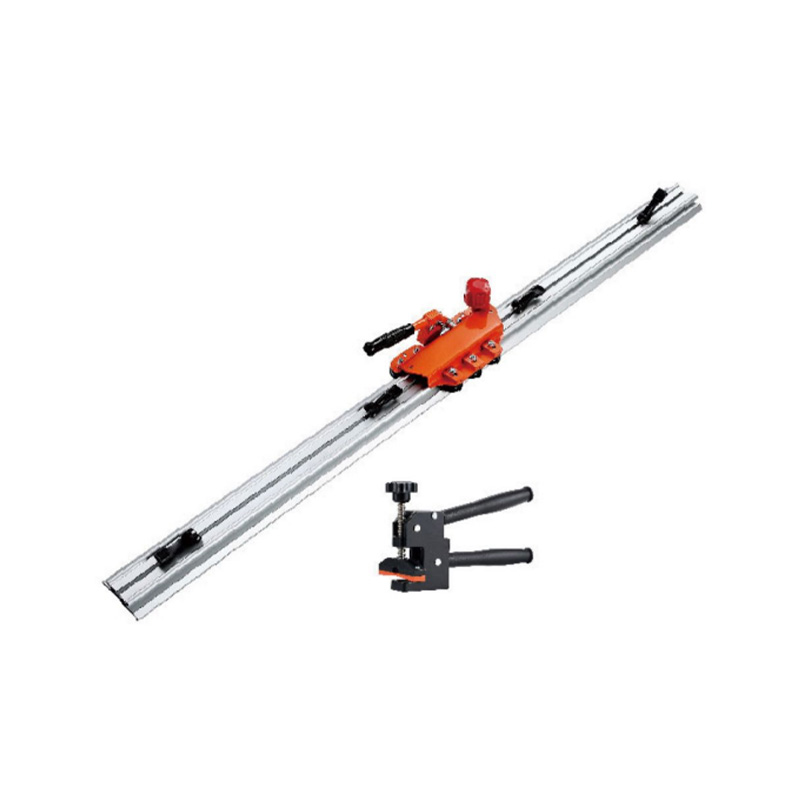
Tile divider breaking pliers are used in tile adjustment and controlled breaking operations, particularly when a scored tile needs to be separated or a smaller section requires adjustment.
Unlike a cutting tool that creates the initial score, breaking pliers apply mechanical pressure to help separate the tile along an established cutting line. Their practical value depends on suitable jaw geometry, comfortable handling, and compatibility with the intended tile application.
When choosing a tile breaking hand tool, professional users should pay attention to:
- Jaw shape and contact area.
- Handle grip and operating comfort.
- Mechanical strength and overall construction.
- Compatibility with common tile materials and thicknesses.
- Ease of positioning during repeated operations.
A suitable tool helps installers maintain better control during the breaking process.
Why Should Tile Material Be Considered Before Buying?
Ceramic and porcelain tiles do not respond identically to cutting and breaking forces. Porcelain generally has a denser, harder body, while ceramic products may have different thicknesses and structural characteristics depending on their intended use.
This means buyers should avoid assuming that one type of tile breaking plier will suit every application.
For professional projects, the scoring method and breaking equipment should be matched to the tile specifications. Large-format slabs and thick porcelain panels may require dedicated cutting systems rather than ordinary hand-operated breaking pliers.
Choosing the correct equipment for each operation helps protect both the material and the worker.
Can Better Tool Design Improve Daily Installation Efficiency?
For contractors handling multiple installation projects, tool comfort and durability influence everyday working efficiency. Poor handle design may make repeated operations uncomfortable, while inconsistent jaw contact can make controlled breaking more difficult.
As a hand tool manufacturer, we recognize that practical product design should reflect actual working conditions. Important manufacturing considerations include handle assembly, jaw alignment, material selection, and overall structural stability.
Consistent production and inspection also matter to wholesalers and distributors who need reliable product quality across different orders. A well-designed tile breaking plier should be practical to handle, straightforward to maintain, and suitable for its intended working conditions.
What Should Distributors Check When Sourcing Tile Breaking Pliers?
Importers and construction tool distributors need to evaluate more than the appearance of a hand tool. Product consistency, packaging, order specifications, and supplier communication all influence purchasing decisions.
Before placing a bulk order, buyers should review:
- Product dimensions and jaw construction.
- Handle material and grip design.
- Intended tile applications.
- Product samples and quality inspection requirements.
- Packaging options and OEM customization availability.
Clear specifications help manufacturers understand market requirements and reduce misunderstandings during order processing.
Choose the Right Tool for More Controlled Tile Work
Successful tile installation depends on suitable materials, proper cutting techniques, and tools designed for specific operations. From ceramic tile adjustments to scored tile separation, selecting the right hand tool can help reduce avoidable breakage and support more consistent workmanship.
For professional installers, construction tool retailers, and international wholesalers, sourcing from an experienced Tile Divider Breaking Plier manufacturer provides an opportunity to evaluate product construction, application suitability, and bulk supply requirements before purchasing. Matching tool design with actual installation needs is a practical step toward better jobsite efficiency and dependable tool performance.





Contact Us
-
xidenuo@163.com
-
+86-15058539713
-
No. 34-3, Lieqiao Small and Micro Industrial Park, Xicheng Industrial Zone, Xiche City, Jinhua City, Zhejiang Province
-
Quick Links
Home About Product Service News Contact -
Product Categories
T-Shaped Push Knife Manual Tile Cutter Manual Suction Cup Electric Suction Cup Tile Divider Breaking Plier Rail Tile Push Cutter Tile Chamfering Machine Tile Cutter Knife Tip Circular Compass Knife Tile Beater Glass Tile Opener Glass Knife
Copyright © Yongkang Xidenuo Diamond Tools Co., Ltd.

Message Us Now !
Copyright © Yongkang Xidenuo Diamond Tools Co., Ltd.