

 English
 русский
 Español
 عربى
عربى
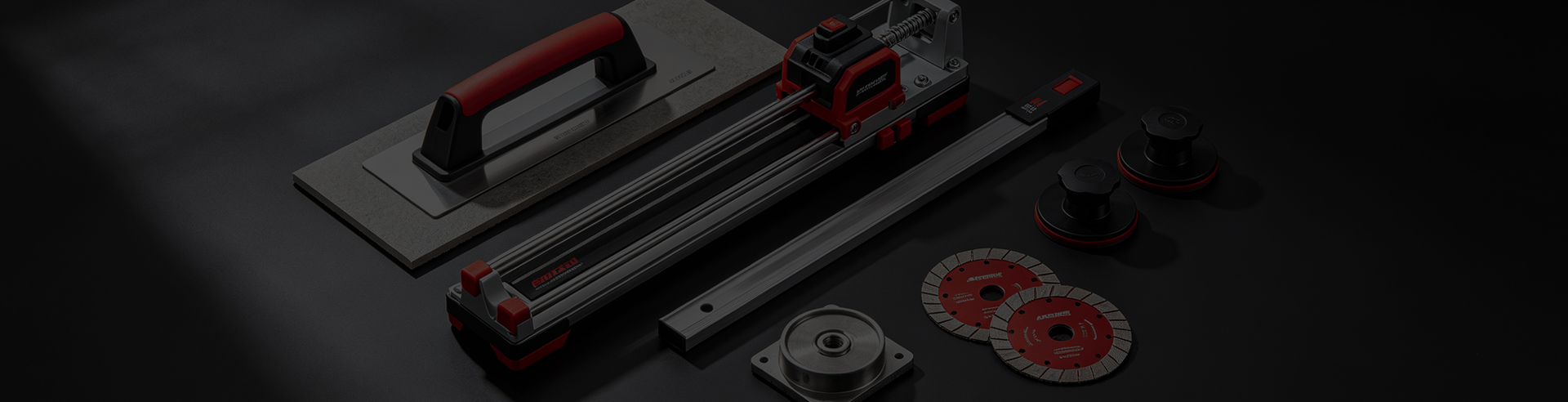
What Should Buyers Check Before Choosing a T-Shaped Push Knife?
2026-10-02
In packaging, material processing, workshop maintenance, and other cutting-related tasks, the right hand tool can make everyday work easier to manage. Buyers often focus on cutting performance, but handle comfort, blade compatibility, material selection, and maintenance requirements also influence the overall user experience. For distributors and industrial procurement teams, choosing a suitable cutting tool means understanding the actual working conditions rather than relying on appearance alone. A well-designed product should support controlled operation, practical handling, and consistent quality across repeat orders.
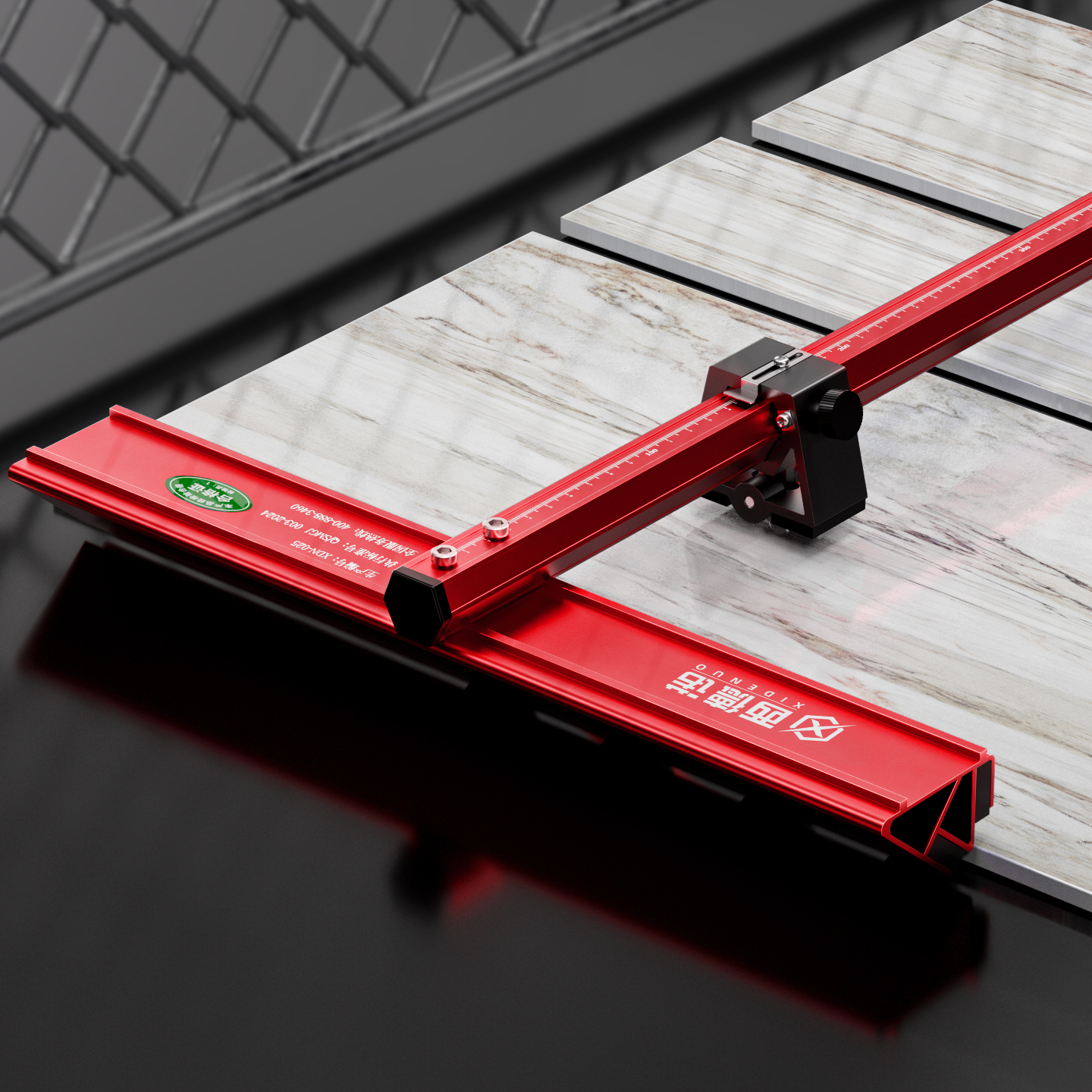
Match the Tool Design to the Cutting Task
Different materials and working conditions place different demands on a cutting tool. Tasks involving packaging materials may require a different blade configuration from those involving thicker sheet materials or general workshop applications.
When evaluating a T-Shaped Push Knife, buyers should identify the materials to be cut, the expected frequency of use, and the level of cutting control required. These details help determine whether the handle shape, blade arrangement, and overall construction are appropriate for the intended application.
Manufacturers can use this information to recommend a suitable configuration instead of treating every cutting requirement as identical. Clear application details also help reduce mismatches between the purchased product and the user's actual needs.
Evaluate Handle Comfort and Control
Handle design affects how users position their hands and guide a tool through a cut. A T-shaped grip can provide a different holding position from a straight handle, but its practical suitability depends on dimensions, grip texture, user preference, and the cutting task.
For buyers comparing hand tools, useful evaluation points include:
- Whether the handle provides a secure grip during normal operation
- Whether its shape allows controlled movement
- Whether the handle material suits the working environment
- Whether the overall size is comfortable for the intended users
Manufacturers should assess these design elements during product development and sample evaluation. A handle that looks suitable in a product photograph still needs to be checked for practical handling before a large order is confirmed.
Check Blade Compatibility and Replacement
Blade compatibility is an important consideration for buyers who expect a tool to remain in service over an extended period. Replacement blades must match the intended holder and locking arrangement. Differences in blade dimensions or mounting design can affect fit and may create operational problems.
Before purchasing, buyers should confirm the specified blade type, replacement procedure, and availability of compatible components. If the tool uses a replaceable blade, the mechanism should hold it securely under the intended operating conditions.
From a manufacturing perspective, blade fit and retention deserve attention during inspection. Clear replacement instructions also help distributors provide more useful product information to their customers.
Treat Safety as Part of Product Design
Cutting tools require appropriate handling, storage, and maintenance. Product design should support controlled use, while instructions should explain how to handle exposed blades and manage replacement procedures.
Depending on the construction, relevant design considerations may include blade guards, locking mechanisms, grip stability, and safe storage arrangements. Buyers should verify which protective features are actually included rather than assuming that all models offer the same functions.
Manufacturers should also inspect moving or locking components where applicable and provide clear operating guidance. Users must follow the product instructions and use suitable protective equipment for the material and working conditions involved.
Inspect Materials and Manufacturing Consistency
A product sample provides a useful starting point, but bulk procurement requires attention to repeatability. Variations in handle dimensions, surface finish, blade mounting, or assembly quality can affect the consistency of delivered products.
A practical inspection process may cover:
- Handle dimensions and surface condition
- Blade-holder alignment and fit
- Locking or retaining function, where applicable
- Assembly quality and visible defects
- Packaging condition and product identification
Manufacturers can use documented inspection criteria to check production batches against approved specifications. This approach helps purchasing teams evaluate more than the appearance of an individual sample.
Clarify Customization and Packaging Requirements
Different markets may require different handle colors, product labels, packaging formats, or retail presentation. For wholesale buyers, these details should be discussed before production because they can affect material preparation, assembly, and shipment arrangements.
When sourcing a T-Shaped Push Knife, buyers should provide expected order quantities, preferred specifications, branding requirements, and packaging instructions. Manufacturers can then assess which changes are practical and confirm the final details before mass production.
Clear communication at this stage supports smoother sample approval and helps prevent avoidable differences between the approved product and the finished shipment.
Make Purchasing Decisions Based on Real Requirements
A suitable cutting tool is the result of matching product design with the intended task, user handling needs, maintenance expectations, and quality requirements. Buyers who assess these factors together can make more informed purchasing decisions and establish clearer expectations for future orders. For manufacturers, understanding how a tool will be used provides a stronger basis for product development, inspection planning, and consistent delivery to overseas customers.
Contact Us
-
xidenuo@163.com
-
+86-15058539713
-
No. 34-3, Lieqiao Small and Micro Industrial Park, Xicheng Industrial Zone, Xiche City, Jinhua City, Zhejiang Province
-
Quick Links
Home About Product Service News Contact -
Product Categories
T-Shaped Push Knife Manual Tile Cutter Manual Suction Cup Electric Suction Cup Tile Divider Breaking Plier Rail Tile Push Cutter Tile Chamfering Machine Tile Cutter Knife Tip Circular Compass Knife Tile Beater Glass Tile Opener Glass Knife
Copyright © Yongkang Xidenuo Diamond Tools Co., Ltd.

Message Us Now !
Copyright © Yongkang Xidenuo Diamond Tools Co., Ltd.