

 English
 русский
 Español
 عربى
عربى
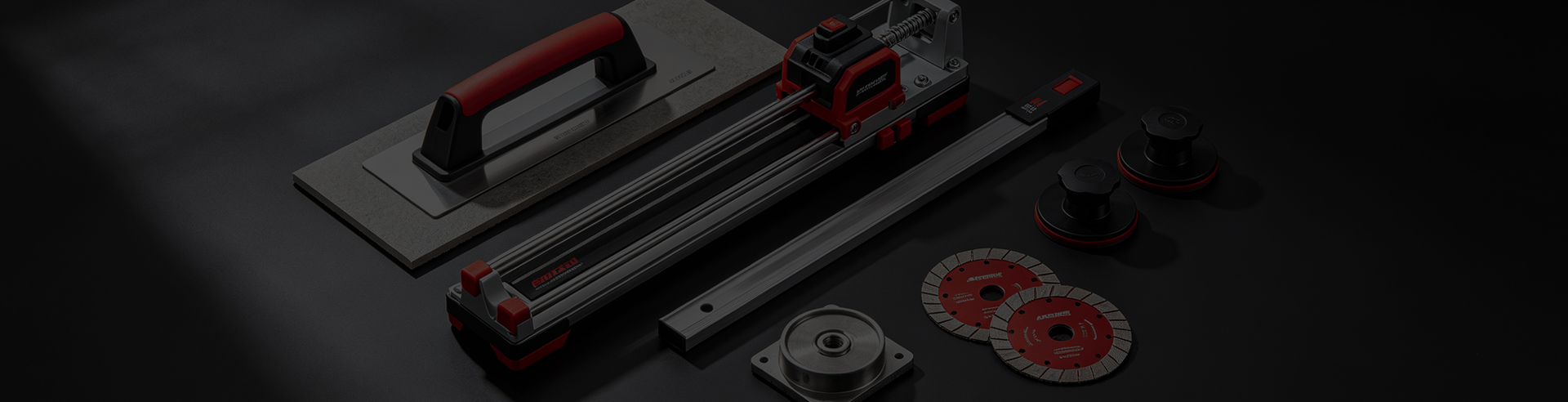
Can Better Cutting Tool Design Reduce Disruptions in Daily Work?
2026-10-09
In busy workshops and production environments, small interruptions can affect the flow of everyday tasks. A tool that is difficult to grip, awkward to reposition, or inconvenient to maintain may slow down work even when the cutting task itself is relatively simple. For purchasing teams, the challenge is to choose tools that fit the working process rather than evaluate cutting performance in isolation. Handle geometry, blade access, component stability, and maintenance procedures all contribute to how easily a tool can be integrated into routine operations.
Understand Where Cutting Interruptions Occur
Cutting work often involves more than making a single pass through a material. Operators may need to reposition the workpiece, change their grip, inspect the cutting line, or prepare the tool for the next task. If the tool is poorly suited to these movements, repeated adjustments can make the workflow less convenient.
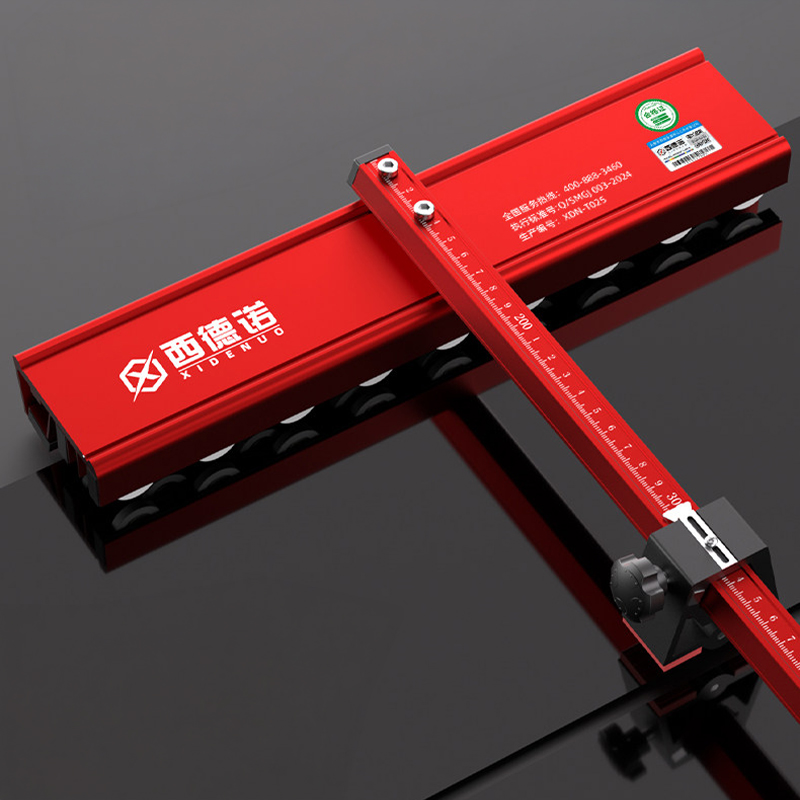
A T-Shaped Push Knife may be suitable for particular cutting tasks where its grip configuration supports the intended direction of movement. However, suitability depends on the material, cutting method, and operator requirements. Manufacturers should understand these conditions before deciding which handle dimensions and blade arrangements to develop.
For bulk buyers, describing the actual working process provides more useful information than simply requesting a general-purpose cutting tool.
Design the Handle Around Practical Movement
The shape of a handle influences how users hold and guide a cutting tool. A T-shaped design provides a crosswise grip, but its effectiveness depends on the relationship between handle width, grip thickness, surface texture, and the user's hand position.
During product development, manufacturers can evaluate whether the handle allows a comfortable grip without obstructing visibility or access to the cutting area. The material should also suit the intended environment and provide an appropriate balance of rigidity, surface feel, and resistance to routine handling.
Sample evaluation should consider repeated handling rather than appearance alone. Feedback from practical trials can help identify design details that need adjustment before the product enters larger-scale production.
Make Blade Access Easier to Manage
Blade maintenance can interrupt work if replacement is complicated or the required components are difficult to identify. For tools with replaceable blades, the holder and retention mechanism should be designed around the specified blade type and the intended replacement procedure.
Manufacturers need to verify that compatible blades fit correctly and that the retention system functions as designed. Instructions should explain how to release, install, and secure the blade without encouraging unsafe handling.
Purchasing teams should also confirm whether replacement blades are available as separate components and whether their specifications can be maintained for repeat orders. This is particularly useful for distributors and businesses that manage multiple tools across different workstations.
Control Quality at Key Manufacturing Stages
Consistent product quality begins before final assembly. Differences in component dimensions, molding conditions, surface finishing, or assembly alignment may affect the finished tool's fit and usability.
A structured manufacturing process can include checks at several stages:
- Incoming inspection of handle materials and blade components
- Dimensional checks on critical parts
- Verification of blade-holder alignment
- Functional checks of locking or retaining mechanisms, where fitted
- Final inspection for visible defects and assembly consistency
The exact inspection plan should reflect the product design. Recording results also helps manufacturers trace recurring issues and make informed adjustments to production procedures.
Consider Storage and Handling Between Uses
The tool's working environment does not end when cutting is complete. Tools may be stored in drawers, carried between work areas, or packed with other equipment. Exposed blades and poorly organized storage can create avoidable handling risks.
Manufacturers should consider how the product will be packaged and stored, including whether a suitable blade cover, protective packaging, or dedicated storage arrangement is needed for the specific design. Buyers should communicate any requirements related to workplace storage, transportation, and product presentation before confirming an order.
Clear packaging specifications can also help reduce damage and keep components organized during distribution.
Adapt Product Specifications to Business Needs
Different buyers may prioritize different aspects of a cutting tool. A distributor may need consistent product identification and retail-ready packaging, while an industrial purchaser may place greater emphasis on repeatable specifications and replacement components.
When developing a T-Shaped Push Knife for a particular market, manufacturers should confirm the required dimensions, handle material, blade configuration, branding, packaging, and order quantity. Any proposed modification should be reviewed for its effect on compatibility, assembly, inspection, and production feasibility.
This process gives customization a practical purpose: aligning the finished product with the buyer's operating requirements instead of adding changes that do not improve usability.
Build Reliability Into the Production Process
A dependable cutting tool is shaped by the relationship between design, component compatibility, manufacturing control, and everyday handling. By evaluating these factors together, manufacturers can identify potential problems before shipment and maintain clearer standards across production batches. For overseas buyers, a supplier's ability to understand application requirements and reproduce an approved specification is an important consideration when planning ongoing procurement.
Contact Us
-
xidenuo@163.com
-
+86-15058539713
-
No. 34-3, Lieqiao Small and Micro Industrial Park, Xicheng Industrial Zone, Xiche City, Jinhua City, Zhejiang Province
-
Quick Links
Home About Product Service News Contact -
Product Categories
T-Shaped Push Knife Manual Tile Cutter Manual Suction Cup Electric Suction Cup Tile Divider Breaking Plier Rail Tile Push Cutter Tile Chamfering Machine Tile Cutter Knife Tip Circular Compass Knife Tile Beater Glass Tile Opener Glass Knife
Copyright © Yongkang Xidenuo Diamond Tools Co., Ltd.

Message Us Now !
Copyright © Yongkang Xidenuo Diamond Tools Co., Ltd.